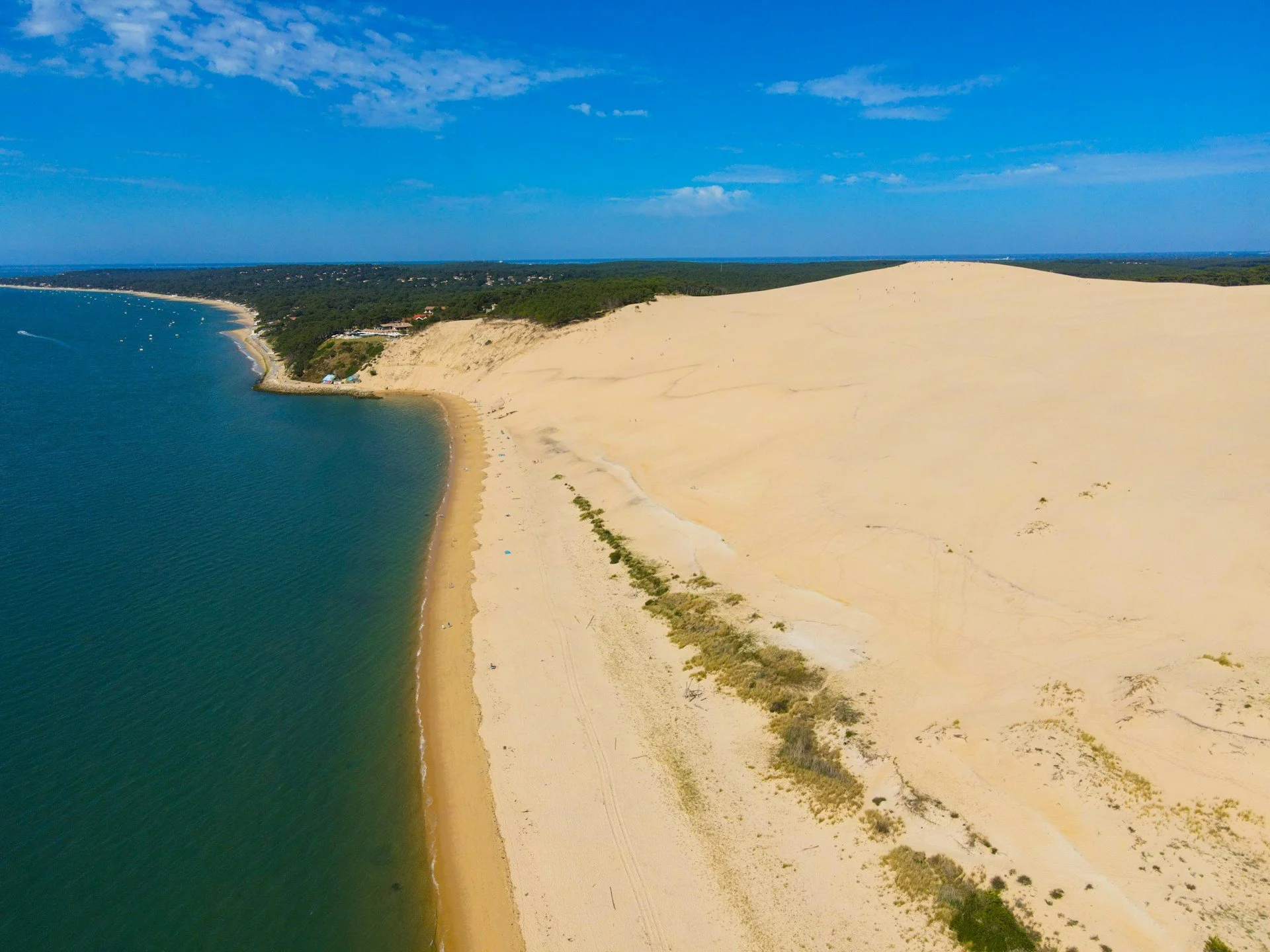
Discover Southern France
Choosing where to live in Southern France is one of the most exciting (and important) decisions you'll make in your relocation journey. The sun-drenched Mediterranean coastline, historic wine country, and innovative aerospace hubs each offer distinct character, opportunities, and ways of life. Whether you're drawn to cutting-edge innovation, coastal elegance, or world-renowned gastronomy, Southern France has a place that feels like home.
Occitanie
Population: 6.2 million
Students: 270,000 across 18 university towns
Key Industries: Aerospace, Tech, Digital (131,000 tech jobs)
Climate: Mediterranean (300+ days sunshine)
Major Cities: Toulouse, Montpellier, Carcassonne, Perpignan
Stretching from the Pyrenees to the Mediterranean, Occitanie represents the perfect blend of forward-thinking dynamism and timeless French charm. As France's fastest-growing region outside of Corsica, Occitanie has become a magnet for those seeking opportunity without sacrificing quality of life. With over 6.2 million residents calling it home, the region welcomes approximately 51,400 new inhabitants each year. They're drawn by its economic vitality, cultural richness, and desirable Mediterranean climate.
Cities That Define the Region
Toulouse, known worldwide as the "Pink City" for its distinctive terracotta architecture, serves as Occitanie's capital and beating heart. Home to over 1.3 million residents in its metropolitan area, Toulouse has earned its reputation as Europe's aerospace capital. Airbus, CNES (French Space Agency), and countless aviation industry suppliers call Toulouse home. This creates a thriving ecosystem of engineers, researchers, and entrepreneurs. The city's university consortium welcomes 110,000 students across 22 higher-education institutions, making it one of France's premier academic centers. From ISAE-SUPAERO (the world-leading aerospace engineering school) to the University of Toulouse's complete offerings, the educational infrastructure here rivals anywhere in Europe.
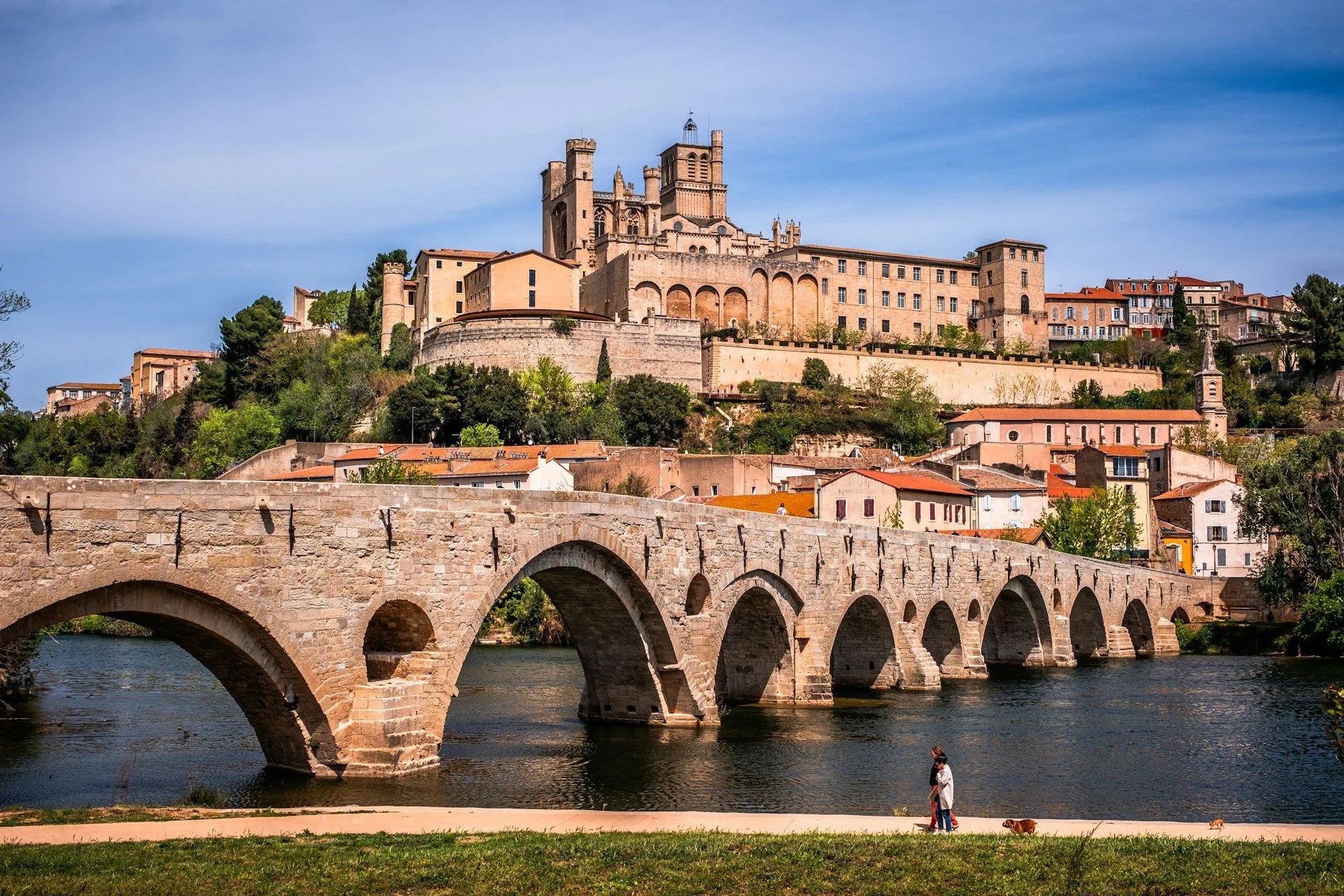
Montpellier has emerged as France's seventh-largest city and one of its fastest-growing, adding approximately 9,300 new residents annually. This Mediterranean university town combines ancient history with cutting-edge research and youthful energy. Its medical school dates back to 1220. The city's coastal proximity places you within easy reach of seaside towns like Sète (a working fishing port beloved for its authentic maritime culture) and Béziers (gateway to the Canal du Midi and the heart of Languedoc wine country).
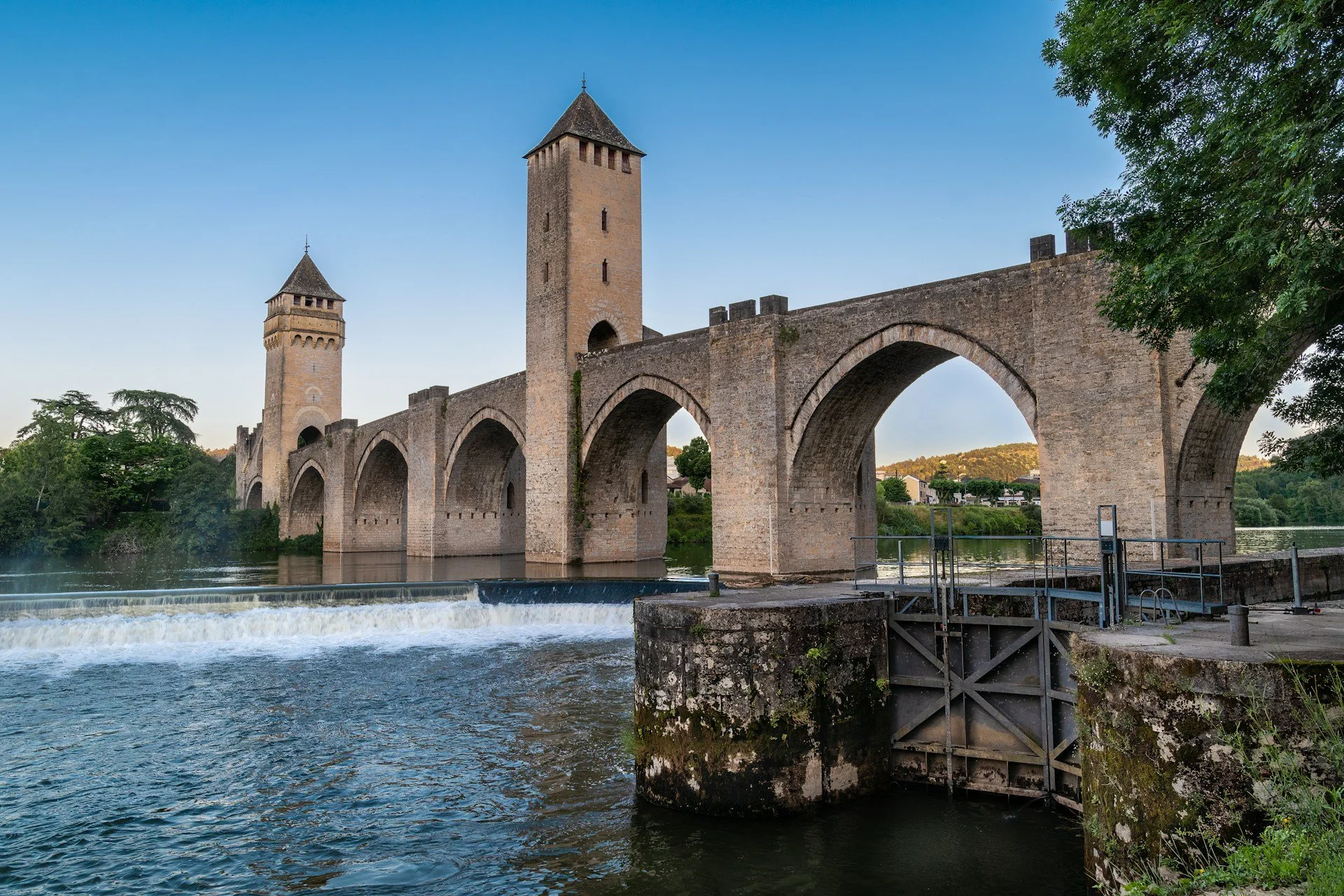
Further west, Cahors offers a slower pace in the heart of the Lot Valley, where medieval bridges still are used and uniformed Malbec hillside vineyards. This market town exemplifies rural Occitanie at its finest. It's manageable in size, rich in heritage, and surrounded by some of France's most stunning countryside. Carcassonne draws visitors year-round to its UNESCO-listed 12th century citadel. Perpignan, with its Catalan influences, serves as the region's southernmost major city, just 30 kilometers from the Spanish border.
Living the Occitan Lifestyle
Life in Occitanie moves to a different rhythm. The region consistently ranks among France's sunniest, with over 300 days of sunshine annually in coastal areas. This Mediterranean climate shapes daily life. Outdoor markets overflow with local produce, café terraces fill year-round, and the region's famous rosé wines taste best enjoyed al fresco. Occitanie offers more than just weather, though. It provides a cultural tapestry woven from Occitan traditions, Catalan heritage in the east, and Gascon influences in the west.
The region's 270,000 students energize its cities while its 18 university towns ensure access to higher education extends beyond just Toulouse and Montpellier. Transportation infrastructure connects you to the wider world. The TGV links Toulouse to Paris in under five hours, while Montpellier serves as a Mediterranean railway hub. Drive 30 minutes in any direction from these urban centers, and you'll find yourself in villages where time seems to slow. Weekly markets remain social institutions. Neighbors still know each other by name.
“51,400 new residents annually - France’s fastest-growing region outside Corsica”
Ready to Explore Occitanie for Your Relocation?
From Toulouse's aerospace industry to Cahors' wine country tranquility, Occitanie offers remarkable variety. Let's discuss which part of this dynamic region aligns with your lifestyle, career goals, and vision for life in France.
Why Occitanie Captures Hearts
Stretching from the Pyrenees to the Mediterranean, Occitanie represents the perfect blend of forward-thinking dynamism and timeless French charm. As France's fastest-growing region outside of Corsica, Occitanie has become a magnet for those seeking opportunity without sacrificing quality of life. With over 6.2 million residents calling it home, the region welcomes approximately 51,400 new inhabitants each year. They're drawn by its economic vitality, cultural richness, and desirable Mediterranean climate.
The economy in Occitanie is equally diverse. About 80% of jobs fall within the service sector, but Occitanie stands out as France's leading region in France in terms of rates of business creation and a top region for foreign investment. In 2025, the region generated 131,000 jobs in tech and digital sectors. Most are concentrated in the metropolitan areas of Toulouse and Montpellier. Rural departments like Lot, Ariège, and Aveyron maintain strong industrial bases. Agriculture thrives in Lozère, Gers, and Aveyron, preserving the agricultural heritage that defines much of French identity.
Provence-Alpes-Côte d'Azur (PACA)
Population: 5.4 million
Students: 190,000 across (2 IDEX universities)
Key Industries: Tourism (34M visitors/year), Tech, Biotech
Climate: Mediterranean
Major Cities: Marseille, Nice, Aix-en-Provence, Cannes, Avignon
Known simply as PACA or, more recently, as Région Sud, Provence-Alpes-Côte d'Azur embodies the France of popular imagination. Lavender fields in Provence, shining yachts along the Côte d'Azur, and picturesque hill towns where artists (Picasso, Chagall, Bonnard) have sought inspiration for generations. This region of 5.24 million inhabitants offers far more than postcard views, though. As France's third-richest region and a global tourism powerhouse welcoming 34 million visitors annually, PACA combines economic strength with an enviable Mediterranean lifestyle.
Iconic Cities and Coastal Gems
Marseille, France's second-largest city with nearly 900,000 residents, serves as regional capital and Mediterranean gateway. This ancient port was founded by Greeks 2,600 years ago. It has reinvented itself as a cultural hub while maintaining its authentic, gritty character as a real working port. The city's genuine, lived-in feel provides a refreshing contrast to the region's more polished destinations. Recent urban renewal projects, including the striking MuCEM museum, signal Marseille's continued evolution.
Just 30 kilometers north, Aix-en-Provence presents an entirely different face of Provence. This university town is the birthplace of Cézanne and epitomizes sophisticated southern living. Tree-lined boulevards, historic fountains, and hundreds of mansion houses (hôtels particuliers) create an ambiance that's distinctly refined. Aix's university attracts students from across internationally and within Europe, contributing to its cultural vitality.
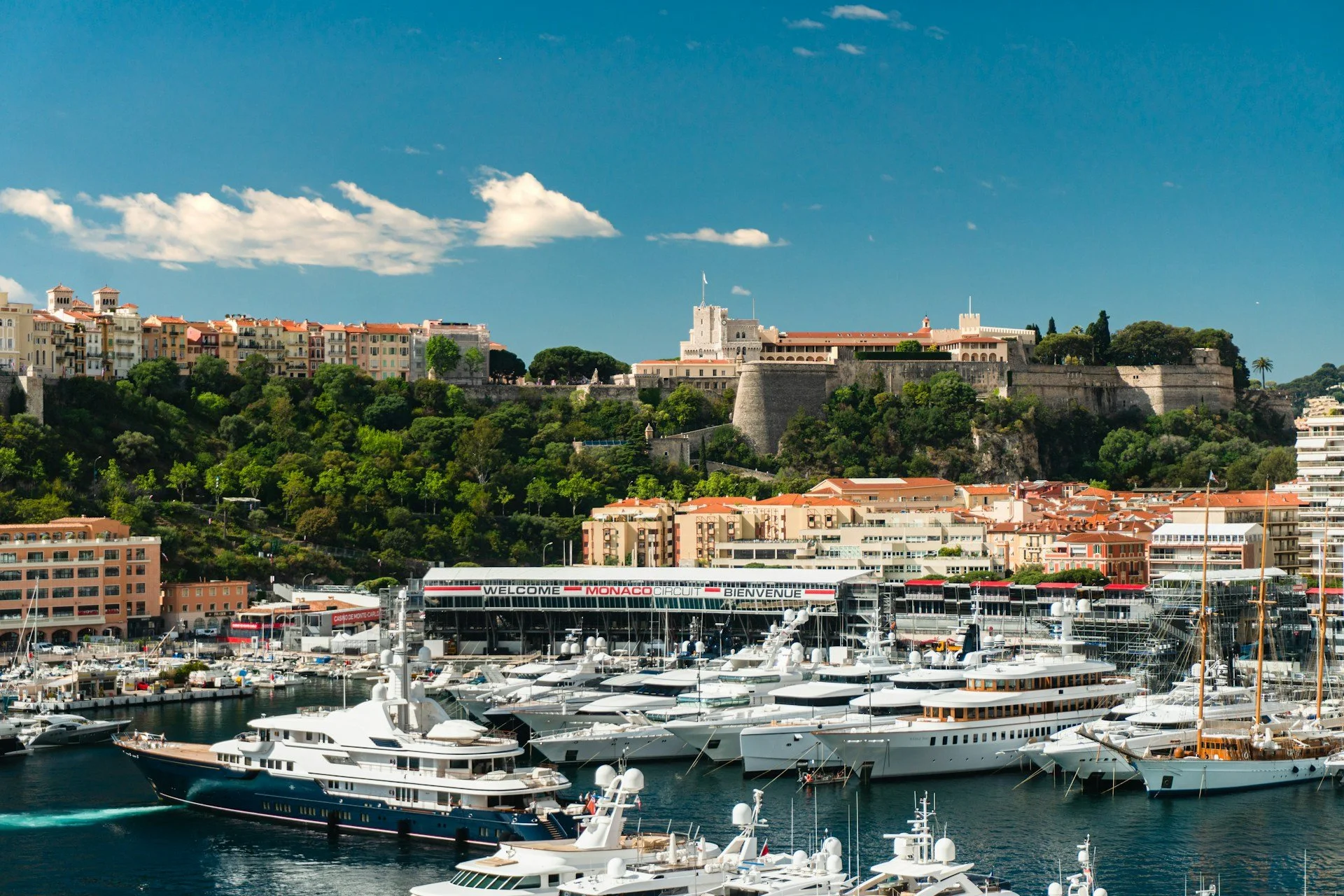
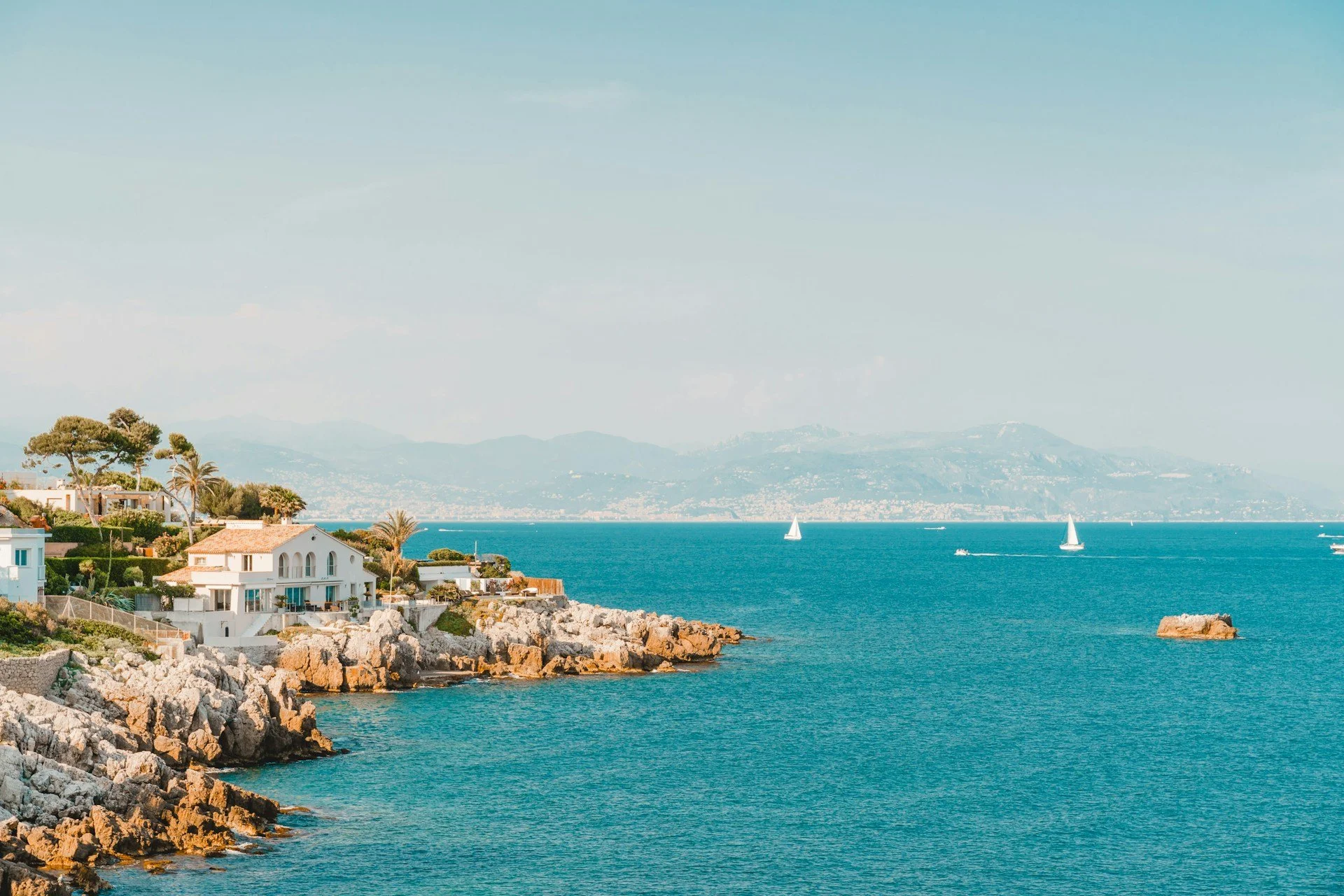
The Côte d'Azur needs little introduction. Nice, the region's second-largest city, offers the rare combination of major urban amenities with beachfront living. Its airport serves as an international gateway, connecting the region to destinations across Europe and beyond. Cannes and Antibes maintain their reputations as influential coastal towns. Monaco (though technically independent) functions as an integral part of the Riviera's ecosystem. Saint-Tropez, despite its reputation for summer crowds, retains genuine Provençal luxury in the off-season.
Toulon, France's primary Mediterranean naval base, offers a more accessible coastal alternative. Avignon, though inland, captivates with its papal history, renowned theater festival, and position as entry point to the Luberon and Alpilles. These are Provence's most celebrated and breathtaking landscapes.
A Region of Contrasts
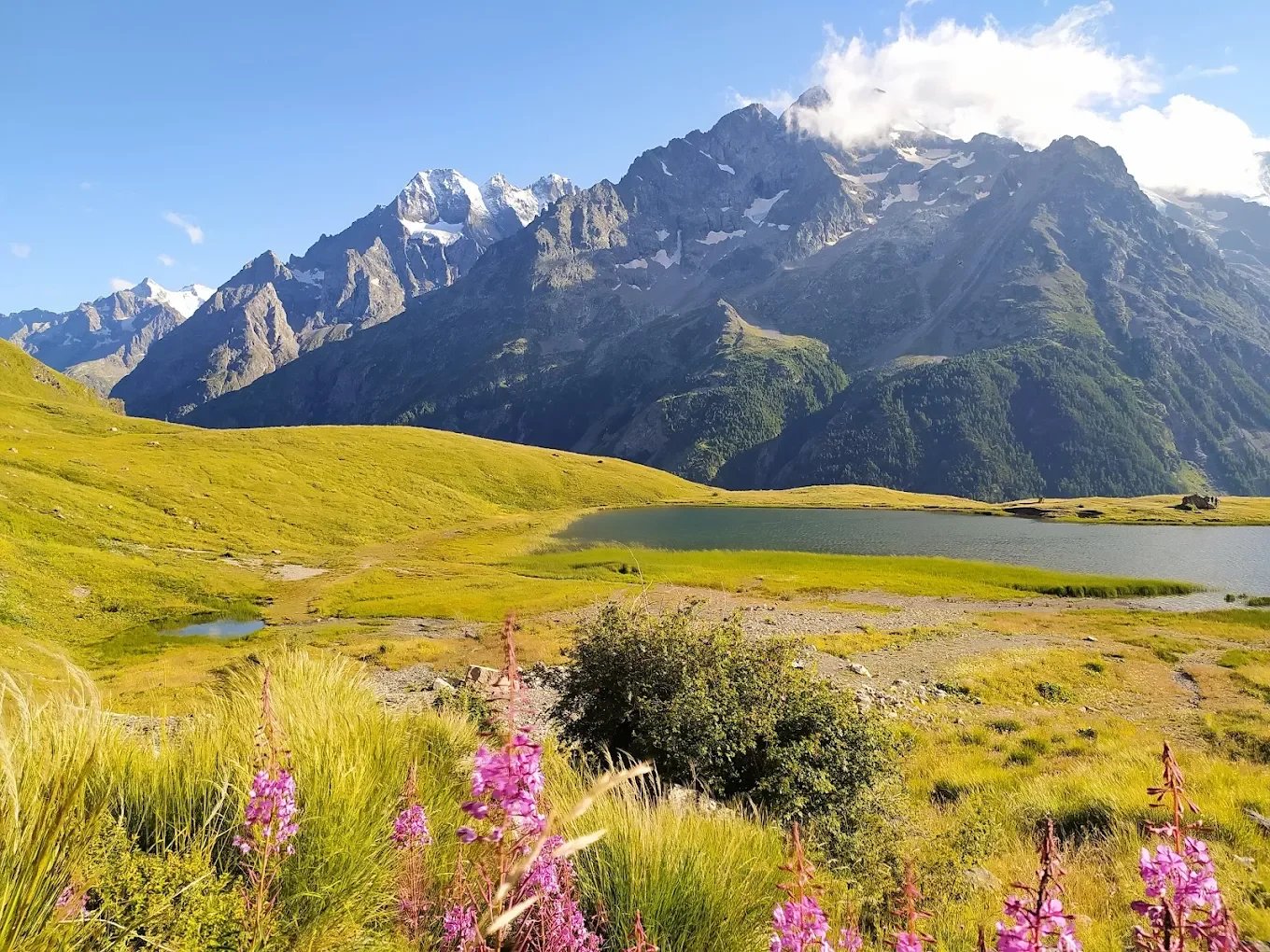
PACA's geography tells a story of remarkable diversity. The region stretches from the Italian border to the Rhône River, from Alpine peaks (including Mont Pelvoux at 3,946 meters) down to the sun-soaked Mediterranean coast. This topographical variety creates microclimates and distinct subregions, each with its own character. The Côte d'Azur (French Riviera) shines with international glamour. Provence's interior offers rustic authenticity. The Alpine departments provide mountain grandeur just hours from the beach.
The regional economy reflects this diversity. While tourism drives significant employment (particularly along the coast), PACA has established itself as a leader in high-technology sectors, biotechnology, and microelectronics. The service sector employs 71.2% of the region's 2 million private-sector workers, but traditional industries maintain their importance. The region's GDP of approximately 207 billion euros represents 6 to 7% of France's total economic output. This places it firmly among Europe's most prosperous regions.
PACA's higher education landscape impresses with both scale and quality. The region's approximately 190,000 students attend four major universities. Two have been designated as "universities of excellence" (IDEX): Aix-Marseille University and Université Côte d'Azur. This prestigious label is awarded to only three French universities. It recognizes world-class research capabilities and international influence. Both institutions also hold "European University" status through the CIVIS and ULYSSEUS projects respectively. This facilitates international collaboration and student exchange.
The region's 400 to 500 châteaux, numerous museums, and thriving arts scene reflect centuries of cultural patronage. Visit the Roman monuments in Nîmes and Arles, and the contemporary art spaces in Nice and Marseille; PACA offers cultural depth that extends well beyond its famous natural beauty.
Academic Excellence and Cultural Richness
The Art of Living
Life in PACA revolves around outdoor living and Mediterranean traditions. The climate (mild winters, hot summers, abundant sunshine) shapes daily life. Markets overflow with original Provençal specialties like olives, herbs, locally caught fish, and produce that tastes fresh. The region's wines, from Bandol's robust reds to Cassis's distinctive whites, complement cuisine that emphasizes organic freshness and quality over elaboration.
PACA demands realistic expectations, though. This is France's most touristed region, and popular areas experience significant summer crowds. Property prices in prime coastal locations rival any in France. The Mistral wind, while clearing skies to a brilliant blue, can blow ferociously. PACA rewards with a lifestyle that's genuinely extraordinary.
“400-500 châteaux and UNESCO World Heritage sites”
Is PACA Your Ideal Destination?
Life in PACA revolves around outdoor living and Mediterranean traditions. The climate (mild winters, hot summers, abundant sunshine) shapes daily life. Markets overflow with original Provençal specialties like olives, herbs, locally caught fish, and produce that tastes fresh. The region's wines, from Bandol's robust reds to Cassis's distinctive whites, complement cuisine that emphasizes organic freshness and quality over elaboration.
PACA demands realistic expectations, though. This is France's most touristed region, and popular areas experience significant summer crowds. Property prices in prime coastal locations rival any in France. The Mistral wind, while clearing skies to a brilliant blue, can blow ferociously. PACA rewards with a lifestyle that's genuinely extraordinary.
Nouvelle-Aquitaine
Population: 6.1 million (largest area by region)
Students: 220,000 across 6 universities
Key Industries: Wine, Aerospace, Maritime, Tech
Climate: Atlantic/Oceanic
Major Cities: Bordeaux, La Rochelle, Biarritz, Pau, Poitiers
As France's largest region by land area and third-most populous with 6.1 million residents, Nouvelle-Aquitaine offers something increasingly rare. It offers the space, affordability, and opportunity all-in-one. Stretching from the Loire Valley to the Spanish border and from the Atlantic coast to the Massif Central, this sprawling region encompasses landscapes as varied as its cultural influences. From Bordeaux's wine sophistication to the Basque Country's distinctive identity, from Atlantic surf beaches to rural farmland where traditions run deep.
A Region on the Rise
Nouvelle-Aquitaine welcomes approximately 29,600 new residents annually. Most are drawn by what locals call "quality of life” and viniculture. It's an ill-defined concept that becomes real once you experience it. The region balances economic vigour (particularly around Bordeaux) with remarkably affordable housing compared to France's other major metropolitan areas.
The regional economy demonstrates healthy diversity. The service sector dominates, as across much of France, but Nouvelle-Aquitaine maintains substantial agricultural production. Its wines alone represent one of France's most valuable exports. The region invested 2.21 billion euros in research and innovation in 2023, ranking it fifth nationally. It shows particular strength in aerospace, maritime industries, and sustainable technologies.
Cities with Character
Bordeaux, the regional capital, has emerged as one of France’s most important cities. Its metropolitan area now exceeds 980,000 residents, and the city proper consistently ranks among France's most desirable places to live. Bordeaux's transformation from somewhat sleepy wine capital to thriving modern metropolis accelerated with the arrival of high-speed rail. Paris now sits just two hours away. The city's UNESCO-listed historic center spans 1,810 hectares (4,472 acres) and represents the largest urban World Heritage site in France.
Bordeaux's university ecosystem welcomes 105,000 students across multiple campuses, with projections suggesting 115,000 by 2030. The University of Bordeaux was founded in 1441 and offers programs that support innovation (awarded the "Initiative of Excellence"). Specialized schools focus on areas like wine business and maritime studies. The sprawling Talence-Pessac-Gradignan campus, one of Europe's largest at 235 hectares, creates a true university town atmosphere.
La Rochelle, on the Atlantic coast, combines nautical heritage with forward-thinking environmentalism. This historic port city of 77,000 has pioneered car-free zones and sustainable transport. It attracts residents who value progressive urban planning. Biarritz brings Basque flair to the coast. It's a surf town with imperial grandeur, thanks to its 19th-century role as a resort for European aristocracy.
Inland, Poitiers offers small-city amenities with a college-town feel. Limoges maintains its reputation for porcelain craftsmanship alongside modern industries. Pau, nestled at the Pyrenees' foothills, provides mountain adjacency with urban services. This combination increasingly appeals to outdoor enthusiasts.
Wine, Gastronomy, and Heritage
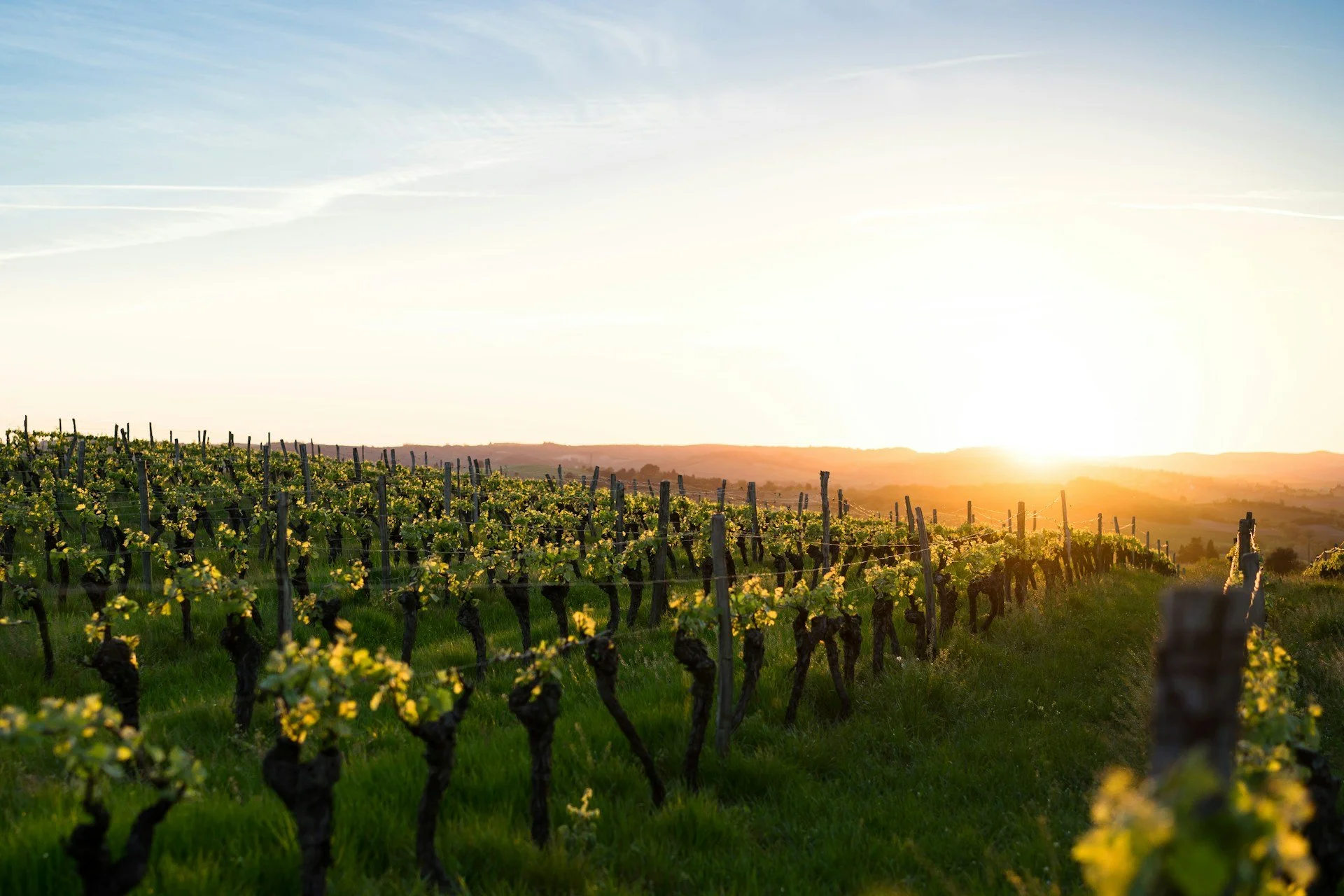
You can't discuss Nouvelle-Aquitaine without acknowledging its importance to viticulture. The Bordeaux wine region alone encompasses approximately 120,000 hectares of vineyards. These produce wines that set global standards, especially for “Old World wine”. The city is home to Vinexpo, one of the largest wine exhibitions in the world. Saint-Émilion, adds Bordeaux’s renown with its hillside vineyards and medieval village, holds UNESCO World Heritage status. Cognac gives its name to France's most famous brandy. Jurançon and Bergerac produce exceptional wines that often offer better value than their famous neighbors.
The region's gastronomy extends beyond wine. Périgord's black truffles and foie gras, Arcachon's fresh Atlantic oysters, Basque peppers and chocolate, Charentais melons. The list of regional specialties runs long. This agricultural abundance translates to exceptional daily organic eating, from market stalls to Michelin-starred restaurants.
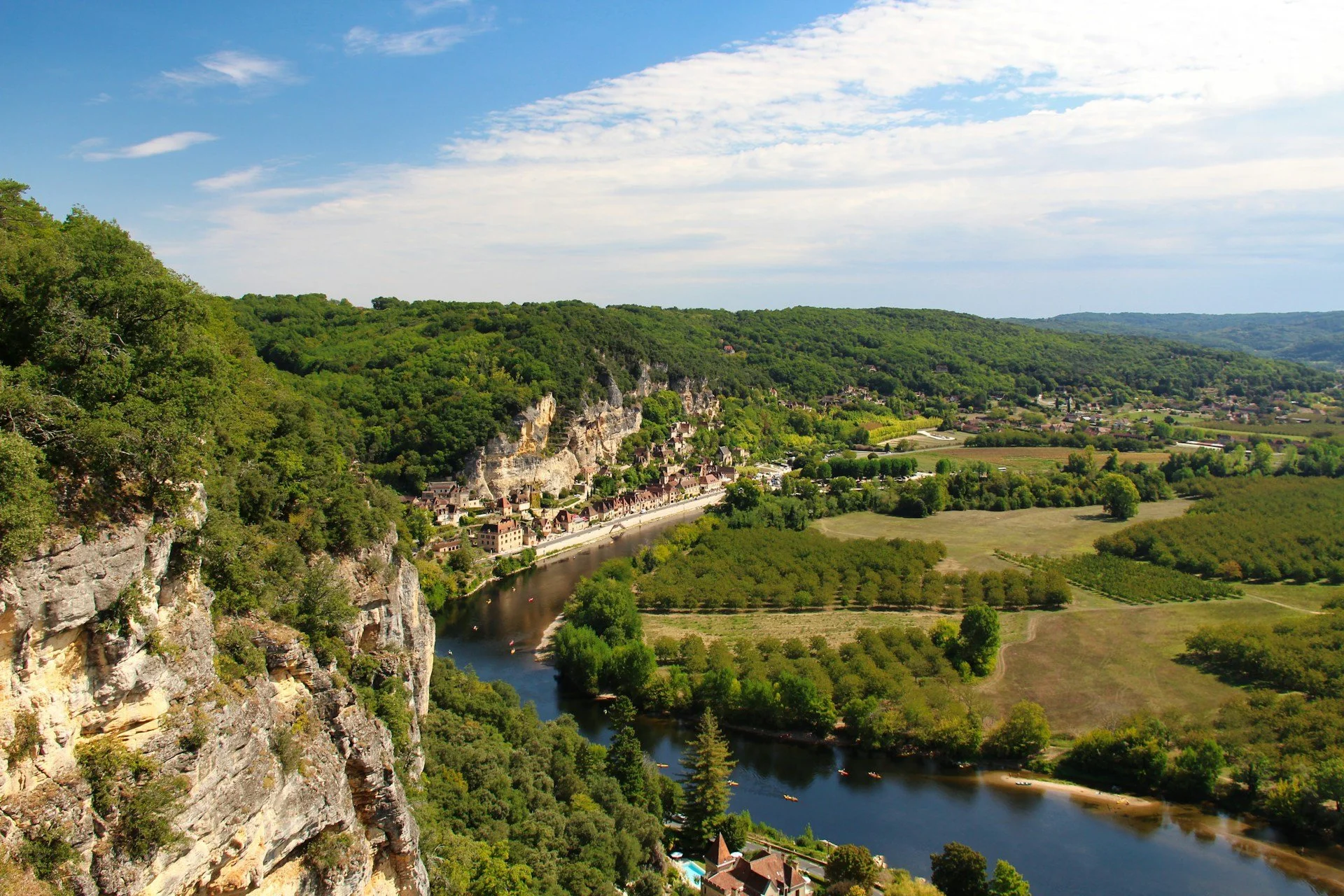
Nouvelle-Aquitaine's appeal lies partly in what it lacks. Aside from peak vacation season the low crowds, traffic, and stress that characterize more densely populated regions. Even in Bordeaux, France's sixth-largest city, you're never far from the countryside or coast. The Atlantic beaches draw surfers and families alike, while the scenic Dordogne and Lot valleys offer river-based recreation. The Pyrenees provide skiing in winter and hiking in summer times.
The region's six universities and 64 higher-education sites ensure access to education across its vast territory, with approximately 220,000 students enrolled region-wide. The 15 engineering schools, 5 business schools, and 6 specialized institutions in fields from politics to architecture provide quality education beyond just the major cities. This educational infrastructure, combined with improving digital connectivity, makes it increasingly feasible to combine rural living with professional ambitions.
Living Between Ocean and Countryside
“120,000 hectares of Bordeaux vineyards”
Could Nouvelle-Aquitaine Be Your French Home?
From Bordeaux's urban sophistication to rural villages where traditions thrive, from Atlantic beaches to Pyrenean peaks, this region offers exceptional diversity and value. Let's discuss how Nouvelle-Aquitaine's opportunities might align with your vision for life in France.
Each of these three regions offers compelling reasons to choose it for your French relocation. Occitanie delivers innovation and Mediterranean warmth. PACA provides legendary beauty with international connectivity. Nouvelle-Aquitaine offers space, value, and arguably the most balanced lifestyle of the three. Your ideal choice depends on factors beyond climate and landscape together with career opportunities, proximity to family or frequent travel destinations, educational needs if you have children, language learning support, and countless personal preferences that make each relocation unique.
The decision deserves more than internet research and vacation memories. It requires understanding how regions function day-to-day, where bureaucratic processes run smoothly versus where they frustrate, which areas welcome newcomers versus which remain insular, and how your skills and resources translate into opportunities in each location. This is where professional guidance makes the difference between a relocation that merely happens and one that truly succeeds.
Finding Your Perfect Fit in Southern France
Start Your Southern France Journey with Expert Guidance
Choosing between Occitanie, PACA, and Nouvelle-Aquitaine is just the beginning. Understanding which specific area within your chosen region best matches your lifestyle, budget, and goals requires local knowledge and experience. Haven in France provides personalized consultation to help you make informed decisions about pathways, property considerations, cultural integration and every aspect of your relocation
Your French life awaits. Let's map out the path that gets you there.
Quick Comparison: Which Region Fits Your Lifestyle?
Frequently Asked Questions
-
All three regions offer excellent family environments. Nouvelle-Aquitaine provides the most affordable housing and space. Occitanie has strong international schools in Toulouse and Montpellier. PACA offers coastal living but at a premium price.
-
Nouvelle-Aquitaine and Occitanie are generally considered the most affordable regions in France. Occitanie offers moderate costs in Toulouse/Montpellier. and Bordeaux for Nouvelle-Aquitaine. PACA's coastal areas (Nice, Cannes, Saint-Tropez) will demand premium prices roughly 30% - 50% higher than the other two regions, though inland Provence has affordable offers.
-
Occitanie leads in tech and aerospace (131,000 digital jobs). PACA excels in tourism, biotech, and international business. Nouvelle-Aquitaine offers opportunities in wine, aerospace (Bordeaux), and maritime industries. Remote workers can thrive in all three regions.
-
If you are not using a professional service to bridge the language gap, then yes. Functional French is highly recommended for daily life, administrative tasks, and integration. International cities like Toulouse, Nice, and Bordeaux have English-speaking communities, but French proficiency significantly improves your experience and opportunities.
-
Occitanie and PACA both offer 300+ days of sunshine with hot, dry summers and mild winters. Nouvelle-Aquitaine's Atlantic climate is milder and wetter, with less extreme temperatures year-round. Consider your heat tolerance!